
Learn how red light therapy promotes wound healing in horses by accelerating tissue repair and reducing inflammation. Explore the science, key studies, benefits, applications, and tips for equine owners and vets.

Meta Description: Learn how red light therapy promotes wound healing in horses by accelerating tissue repair and reducing inflammation. Explore the science, key studies, benefits, applications, and tips for equine owners and vets.
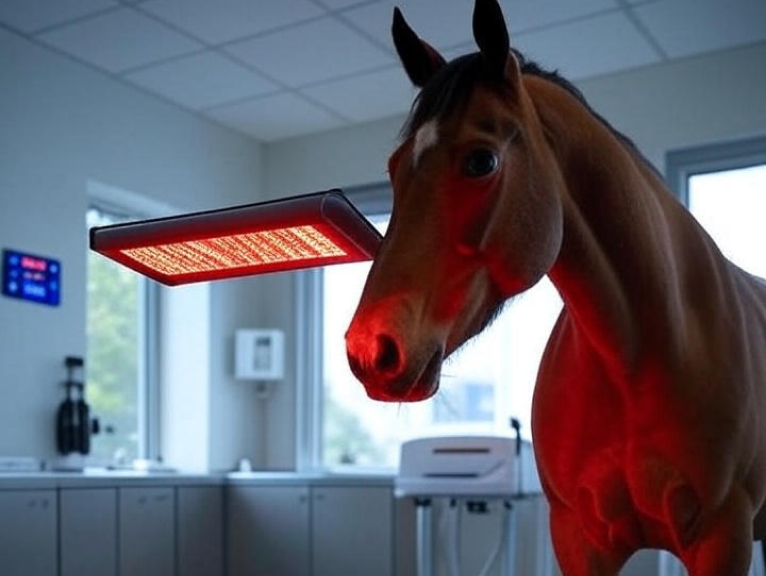
Horse owners and veterinarians often face the challenge of slow-healing wounds in equines, which can lead to prolonged downtime and complications. Red light therapy (RLT), also known as photobiomodulation or LED light therapy, is a non-invasive treatment harnessing specific wavelengths of light to support the body’s natural healing processes. Popular in human medicine for skin rejuvenation and pain relief, RLT is gaining traction in equine care for accelerating recovery from wounds, cuts, and injuries. This comprehensive guide explores the science, benefits, key studies (including mixed results), applications, alternatives, and safety considerations, drawing heavily from recent research to provide a balanced view for equine enthusiasts, trainers, and vets.
LED light therapy is a non-invasive way to support the body’s natural healing. Specific wavelengths are absorbed by cytochrome c oxidase, a key photo-acceptor in mitochondria, which may boost cellular energy and speed recovery. Therapeutic outcomes depend on precise wavelength selection and controlled dosage.
The dual-wavelength approach combines:
In vitro studies have shown that visible red and near-infrared light treatments stimulate the proliferation of fibroblasts, endothelial cells, and other key components in wound healing.

Lacerations and deep abrasions in horses often heal slowly and can form excess scar tissue, especially over high-motion areas. Dermal injuries can be slow to heal, cause excessive scarring, and prolong lay-up. Limb wounds may develop proud flesh.
Research on red light therapy for equine wound healing shows mixed results, emphasizing the importance of protocol optimization.
Based on research and anecdotal evidence, RLT offers potential advantages for equine wound management:
Equine practitioners report enhanced performance in competitive horses due to shorter recovery times.
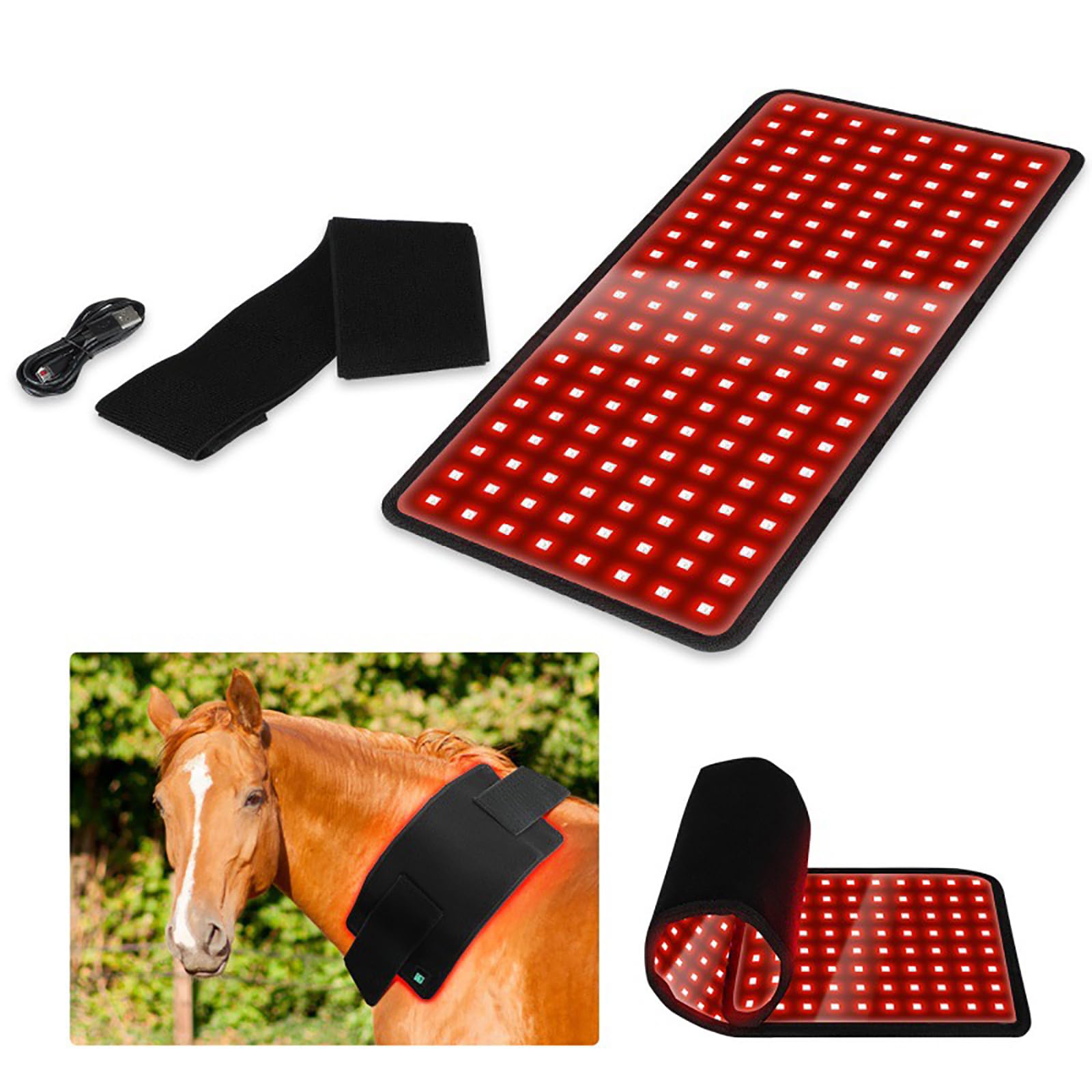
Combined red and near-infrared light may help manage several equine conditions:
Protocols: Clean the area, apply pads for 5-15 minutes, 3-5 times weekly. Use equine-specific devices for best results.
Veterinarians continue to evaluate other adjunctive options for equine wounds. These may include topical treatments like manuka honey, bandaging to control proud flesh, stem cell therapy, platelet-rich plasma (PRP), or hyperbaric oxygen. A study noted that non-steroidal anti-inflammatory drugs like phenylbutazone can delay healing. Always consult a vet for tailored approaches.
For racehorse owners, red light therapy can be a game-changer in minimizing downtime from wounds and injuries, helping maintain peak performance. Here's a step-by-step guide to using it effectively:
Consistent use at home can support natural healing, but always prioritize veterinary oversight for competitive horses.
Start by consulting a vet to ensure suitability. Use equine-specific devices with appropriate wavelengths, positioning them 6-12 inches from the wound. Begin with 5-minute sessions to monitor tolerance, increasing to 10-15 minutes. Track progress with photos and notes on swelling or closure. Maintain hygiene to avoid infection, and combine with bandaging if needed. Owners in studies noted improvements within weeks, but discontinue if irritation occurs.
Assess wound severity and avoid in photosensitive cases. Incorporate with dosages like 20-30 J/cm², monitoring reduction in size and inflammation. Combine with standard treatments. Stay updated via journals like Equine Veterinary Journal.
Consult a veterinarian for any significant wound. Large wounds with heavy bleeding or tissue loss need immediate care and are veterinary emergencies. Avoid overuse to prevent irritation.
Here are some frequently asked questions about red light therapy for wound healing in horses:
Red light therapy holds promise for accelerating equine wound healing, though research shows mixed results. By leveraging dual-wavelength technology and integrating with veterinary care, it can potentially reduce recovery times and complications. Explore innovations and consult experts for optimal use.