
Discover the potential of light therapy, including photobiomodulation, in managing ulcerative colitis. Learn about its mechanisms, clinical studies, and practical applications in IBD treatment



Ulcerative colitis (UC) is a chronic condition that causes inflammation and ulcers in the lining of the colon and rectum. It is a type of inflammatory bowel disease (IBD), and its symptoms can severely affect a person's quality of life. Individuals with UC may experience symptoms like abdominal pain, diarrhea (often with blood), fatigue, and a feeling of urgency to go to the bathroom. In some cases, UC can lead to life-threatening complications, including colon cancer, when left untreated.
The exact cause of UC is still not fully understood, but it is believed to involve a combination of genetic and environmental factors, including an overactive immune system. The immune system mistakenly attacks the body's own tissues, leading to the chronic inflammation characteristic of UC.
Traditional treatments for UC typically include anti-inflammatory drugs, immunosuppressants, and biologics. These treatments are designed to reduce inflammation, control flare-ups, and induce remission. However, many patients experience limited efficacy with these treatments, and they may also have significant side effects. For these reasons, patients and healthcare providers are increasingly looking for complementary treatments, including light therapy, to help manage the condition.
Light therapy, specifically photobiomodulation (PBM), is an emerging alternative that has gained attention for its potential in reducing inflammation and promoting tissue healing. By using light to target affected areas, PBM may provide a safer, non-invasive treatment option for UC patients.
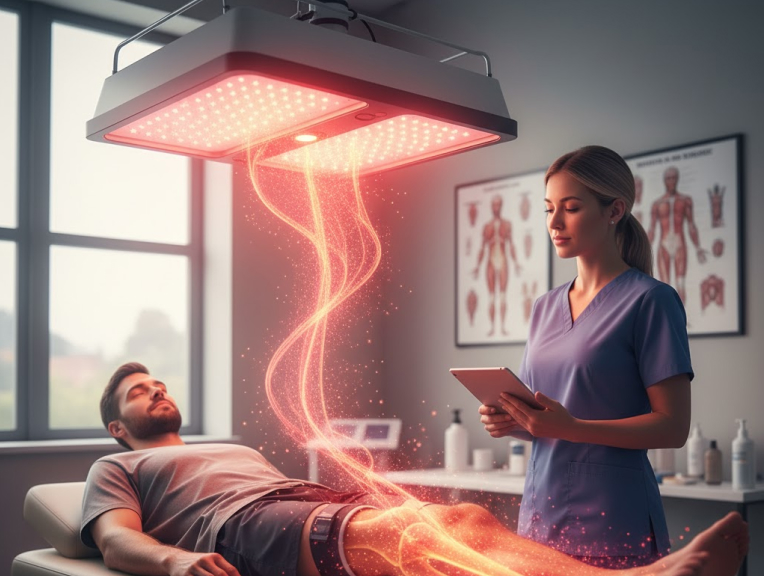
Light therapy involves the use of specific wavelengths of light to treat various medical conditions. In the context of IBD, photobiomodulation (PBM), also known as low-level light therapy (LLLT), utilizes red and near-infrared light to stimulate cellular processes that promote healing and reduce inflammation.
PBM works by delivering light energy to tissues, which is absorbed by mitochondria in cells. This absorption enhances mitochondrial function, leading to increased production of adenosine triphosphate (ATP), the cell's energy currency. Higher ATP levels can accelerate tissue repair, reduce inflammation, and modulate immune responses, all of which are beneficial in managing UC.
PBM therapy targets specific receptors in the mitochondria known as cytochrome c oxidase. This receptor plays a crucial role in the cell's energy production process. When light is absorbed by this receptor, it enhances the cell's ability to produce ATP, thereby supporting various cellular processes that promote healing.
In the context of UC, PBM can also help reduce the production of pro-inflammatory molecules, such as cytokines, and increase the production of anti-inflammatory molecules. This helps to manage the inflammatory response in the colon and reduces the damage caused by chronic inflammation.
Light therapy, specifically photobiomodulation (PBM), has shown multiple mechanisms that help in the treatment of ulcerative colitis (UC). Below are the primary ways in which PBM can assist UC patients:
One of the core benefits of PBM is its ability to modulate inflammation. UC is primarily an inflammatory condition, and chronic inflammation in the colon leads to the characteristic symptoms of the disease. PBM therapy works by influencing the immune cells involved in the inflammatory response. It reduces the production of pro-inflammatory cytokines, such as tumor necrosis factor-alpha (TNF-α) and interleukins, which are responsible for driving the inflammatory process. By reducing these molecules, PBM helps to control inflammation in the intestines and alleviate symptoms such as pain and swelling.
UC often leads to the formation of ulcers and lesions in the lining of the colon. These ulcers can be slow to heal, especially during flare-ups. PBM therapy enhances tissue repair by stimulating cellular activity in the damaged areas. By increasing ATP production in the cells, PBM accelerates the healing process, allowing for faster tissue regeneration. The therapy also helps increase collagen production, which is essential for wound healing.
Since UC is considered an autoimmune disease, the immune system attacks the healthy tissue of the colon. PBM helps regulate immune system activity by modulating the behavior of immune cells. It reduces the overactive immune response that leads to inflammation and tissue damage in the colon. PBM helps restore a balanced immune response, which is essential in managing autoimmune conditions like UC.
Research is increasingly showing that the gut microbiota (the collection of bacteria and other microorganisms in the digestive system) plays a significant role in the development and progression of UC. An imbalance in the gut microbiota is believed to contribute to the inflammation seen in UC. PBM has been shown to have a positive effect on gut microbiota, potentially helping to restore a healthier bacterial balance. This can improve overall gut health and reduce inflammation, helping to manage UC symptoms.
In animal models of colitis, several studies have demonstrated the positive effects of PBM:
Although there are fewer human studies compared to animal research, there is still promising evidence to support the use of PBM in UC:
There are several ways to apply light therapy to treat UC, and the most suitable method will depend on the patient's needs:
Before starting light therapy, it’s essential to consult with a healthcare provider. They can help determine the right device, dosage, and treatment schedule tailored to the individual’s specific condition.
Yes, light therapy is generally safe with minimal side effects when used correctly. However, as with any treatment, it’s important to consult with a healthcare provider before beginning therapy to ensure it is suitable for your condition.
Results from light therapy can take several weeks to a few months. The duration of treatment varies depending on the severity of UC and the individual’s response to therapy.
Light therapy is typically used as an adjunctive treatment and should not replace prescribed medications unless advised by a doctor. It is most effective when used alongside conventional therapies.
Light therapy devices can be purchased through medical supply companies or online retailers. In some cases, your healthcare provider may recommend or prescribe a device specifically for your condition.
While more research is needed, light therapy shows significant promise in managing ulcerative colitis and inflammatory bowel disease (IBD). It offers a non-invasive, relatively safe adjunctive treatment that can reduce inflammation, promote tissue repair, and improve gut health. As clinical trials continue, light therapy may become a standard part of UC treatment, helping patients who struggle with traditional therapies. Always consult with your healthcare provider before beginning light therapy to ensure it is an appropriate treatment option for you.
References: