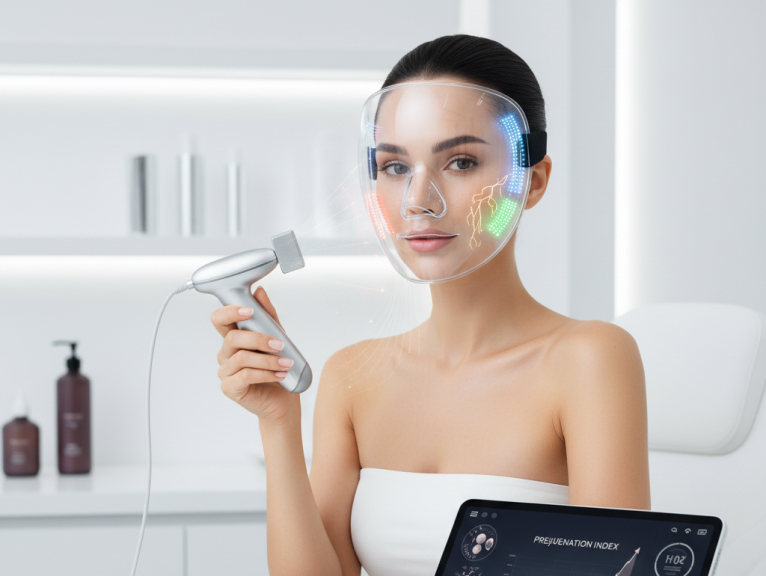



Poly Red Light Therapy (PBM/LLLT) uses 660–940nm wavelengths to stimulate mitochondria, boost ATP production, reduce inflammation, and accelerate healing. Learn what it is, how it works, and why it’s revolutionizing pain relief, skin health, and sports recovery worldwide.


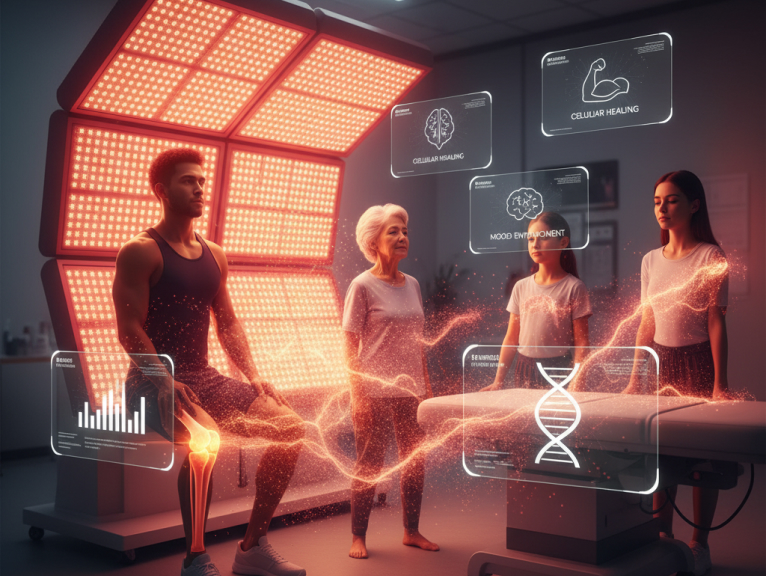
In the rapidly evolving landscape of non-invasive therapeutic interventions, POLY red light therapy stands at the forefront of photobiomodulation (PBM) technology. This comprehensive analysis examines the latest scientific evidence supporting red and near-infrared light therapy, revealing unprecedented insights into cellular healing mechanisms, pain management protocols, and performance optimization strategies that are revolutionizing modern wellness and medical practices.
Photobiomodulation operates through the absorption of red and near-infrared light energy (620-1440 nm), which enhances mitochondrial ATP production, cell signaling, and growth factor synthesis while attenuating oxidative stress. Comprehensive research from the National Center for Biotechnology Information provides detailed mechanisms underlying these therapeutic effects. The process involves several key cellular pathways:
Primary Photoacceptor ActivationCytochrome c oxidase (COX) serves as the major intracellular acceptor of photons in PBM, promoting upregulation of cellular metabolism through increased ATP synthesis and reactive oxygen species modulation. The leading hypothesis suggests that photons dissociate inhibitory nitric oxide from the enzyme, leading to increased electron transport, enhanced mitochondrial membrane potential, and elevated ATP production. Harvard Medical School's comprehensive review validates these cellular mechanisms and their therapeutic implications.
Calcium Channel ModulationLight-sensitive ion channels can be activated during PBM treatments, allowing calcium influx that triggers downstream cellular cascades essential for healing and regeneration. This mechanism explains the rapid onset of therapeutic effects observed in clinical settings.
Wavelength-Specific PenetrationRed light (600–700 nm) consists of low-energy radiation with high skin penetration capacity, inducing significant stimulatory effects on cellular metabolism. The optimal therapeutic window combines red light for superficial tissue effects with near-infrared wavelengths for deeper tissue penetration.
Recent clinical investigations have explored the comparative efficacy of polychromatic (multi-wavelength) versus monochromatic red light systems. Controlled trials demonstrate that broadband polychromatic PBM shows comparable efficacy to red-light-only spectrum treatments for skin rejuvenation and intradermal collagen increase, suggesting that POLY systems offer versatility without compromising therapeutic outcomes.
Advanced POLY systems are engineered as professional-grade red light therapy platforms designed to promote collagen production, reduce inflammation, and enhance skin health through hands-free, contact-free delivery mechanisms. These systems optimize treatment efficiency while maintaining clinical-grade effectiveness.
Mechanism of Pain ReliefRed light and infrared light penetrate deep into muscle tissue to energize cells for faster healing while simultaneously increasing blood flow to deliver essential nutrients for recovery. This dual action addresses both the inflammatory component of pain and the underlying tissue damage.
Clinical EfficacyThe noninvasive treatment uses low levels of red light to stimulate cellular activity, promote collagen healing, and decrease inflammation, with increasing expert support for musculoskeletal treatment applications. Clinical trials documented in the Cochrane Database demonstrate significant efficacy in pain management protocols. Applications include:
Applications include:
Cellular Energy OptimizationThe ATP enhancement mechanisms underlying PBM directly translate to improved athletic performance through:
Recovery Time ReductionClinical protocols demonstrate increased muscle strength, endurance, and significantly reduced recovery time in athletic populations, making POLY red light therapy an essential component of modern sports medicine.
Collagen Synthesis StimulationPBM can induce cell proliferation and enhance stem cell differentiation, facilitating tissue repair and regeneration. This mechanism underlies the significant aesthetic improvements observed in clinical practice:
Clinical EvidenceRed light therapy uses low levels of red light to improve skin appearance, including reducing wrinkles, scars, redness and acne, with extensive clinical validation supporting these applications. The American Academy of Dermatology provides comprehensive guidelines for dermatological applications of LED light therapy.
Optimal therapeutic outcomes require precise control of key treatment variables:
Wavelength Selection
Energy Density and Exposure DurationClinical protocols typically employ energy densities ranging from 1-20 J/cm² depending on treatment objectives and tissue depth requirements. Treatment duration varies from 10-30 minutes per session based on therapeutic goals.
Treatment FrequencyMost protocols recommend 3-5 sessions per week during intensive treatment phases, followed by maintenance protocols of 1-2 sessions weekly for sustained benefits.
POLY red light therapy demonstrates enhanced efficacy when integrated with complementary interventions:
PBM has gained considerable attention for its potential in various medical applications due to its non-invasive nature and minimal side effects. The World Association of Photobiomodulation Therapy (WALT) establishes international safety standards and treatment protocols. The excellent safety profile includes:
While generally safe, certain populations require careful consideration:
Emerging research explores PBM applications for:
Advanced applications include:
Successful clinical implementation requires:
Professional-grade systems should be FDA cleared, registered, and backed by scientific evidence, ensuring both safety and efficacy in clinical applications.
POLY red light therapy offers exceptional value through:
While professional treatments provide optimal outcomes, advances in consumer-grade devices expand accessibility while maintaining therapeutic benefits for maintenance and mild condition management.
The scientific evidence supporting POLY red light therapy continues to expand, establishing photobiomodulation as a cornerstone of modern integrative medicine. With mechanisms of action clearly elucidated through advanced cellular research and clinical efficacy demonstrated across diverse medical applications, red light therapy represents a paradigm shift toward non-invasive, biologically-based therapeutic interventions.
As photobiomodulation becomes increasingly commercialized with devices marketed directly to consumers and professionals, the importance of evidence-based application protocols and quality device selection becomes paramount for achieving optimal therapeutic outcomes.
The convergence of advanced LED technology, sophisticated dosimetry protocols, and expanding clinical research positions POLY red light therapy as an essential tool for healthcare providers, athletes, and wellness-focused individuals seeking safe, effective, and scientifically-validated therapeutic interventions.
Future developments in wavelength optimization, treatment protocol refinement, and combination therapy approaches promise to further enhance the already impressive therapeutic potential of this revolutionary technology, making photobiomodulation an indispensable component of 21st-century healthcare and human performance optimization.